Background: The Reality of Captivity
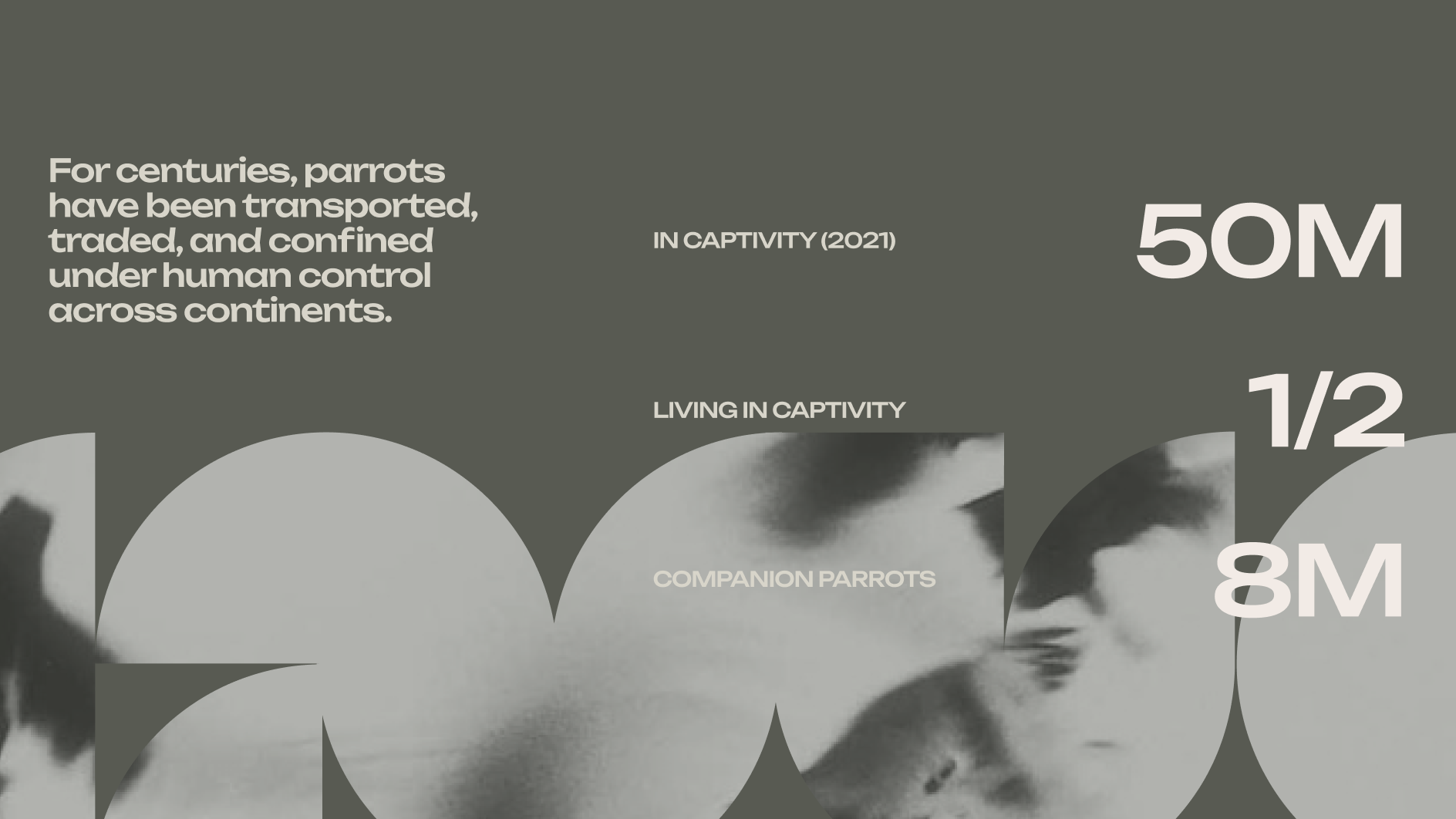
Today, parrots are considered the third most common companion animal in the world. Yet, nearly 50 million parrots—almost half of the global population are living in captivity, and around 8 million are kept as household pets.
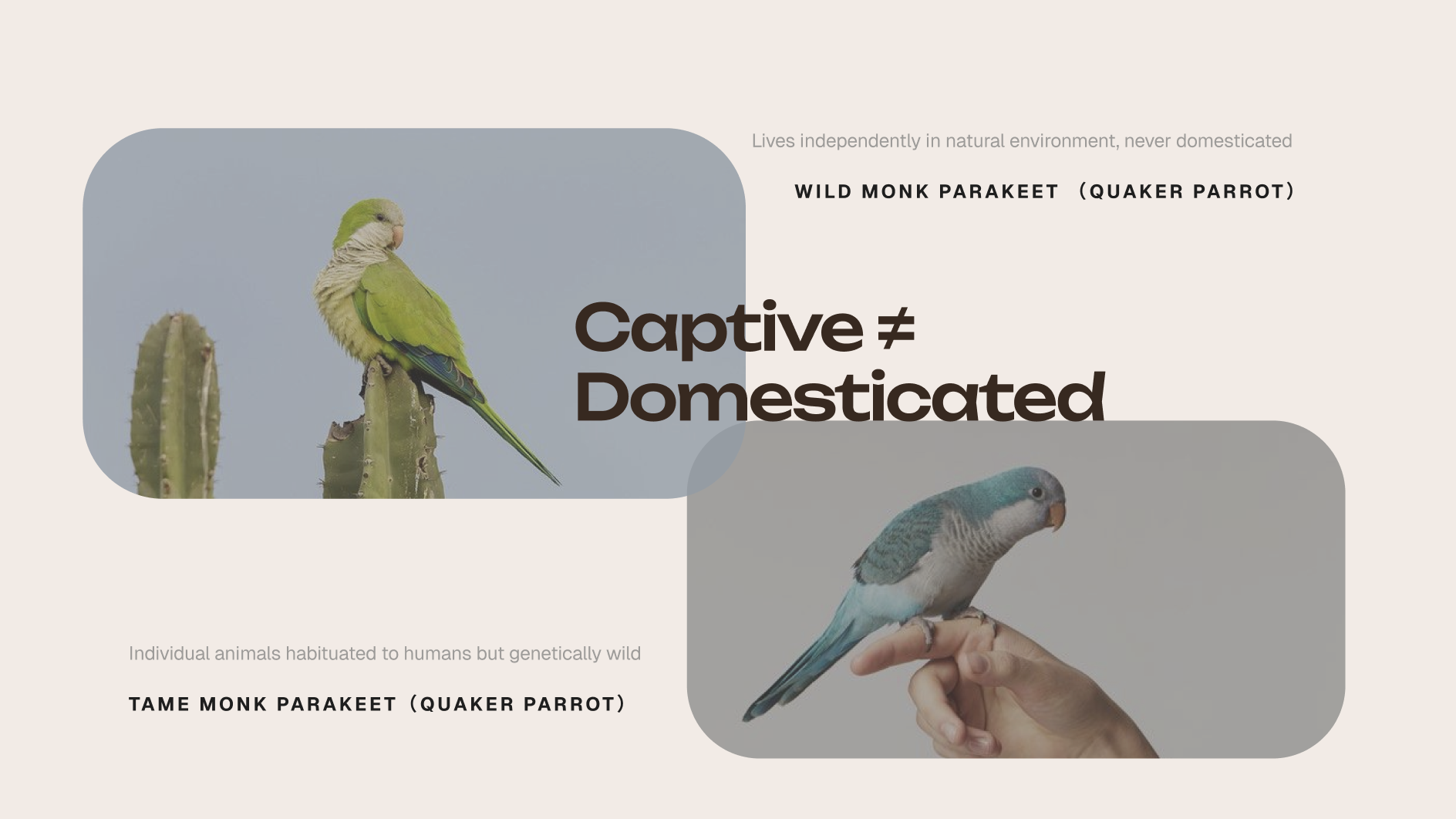
The core issue is that captivity does not equal domestication; unlike dogs or cats, parrots still retain all the characteristics and complex cognitive needs of wild birds, because they are only a few generations removed from their native habitats.
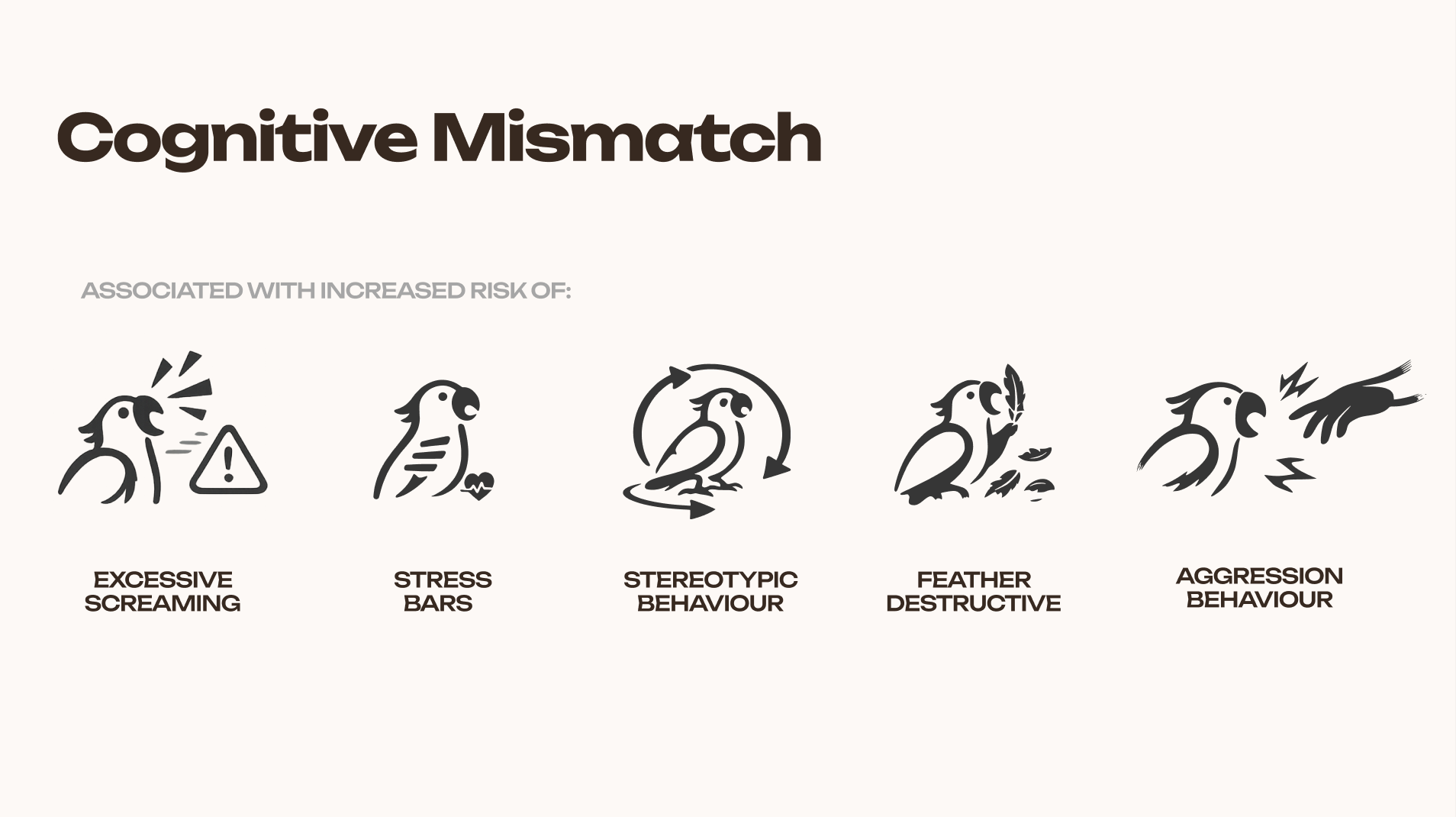
Problem: Cognitive Mismatch
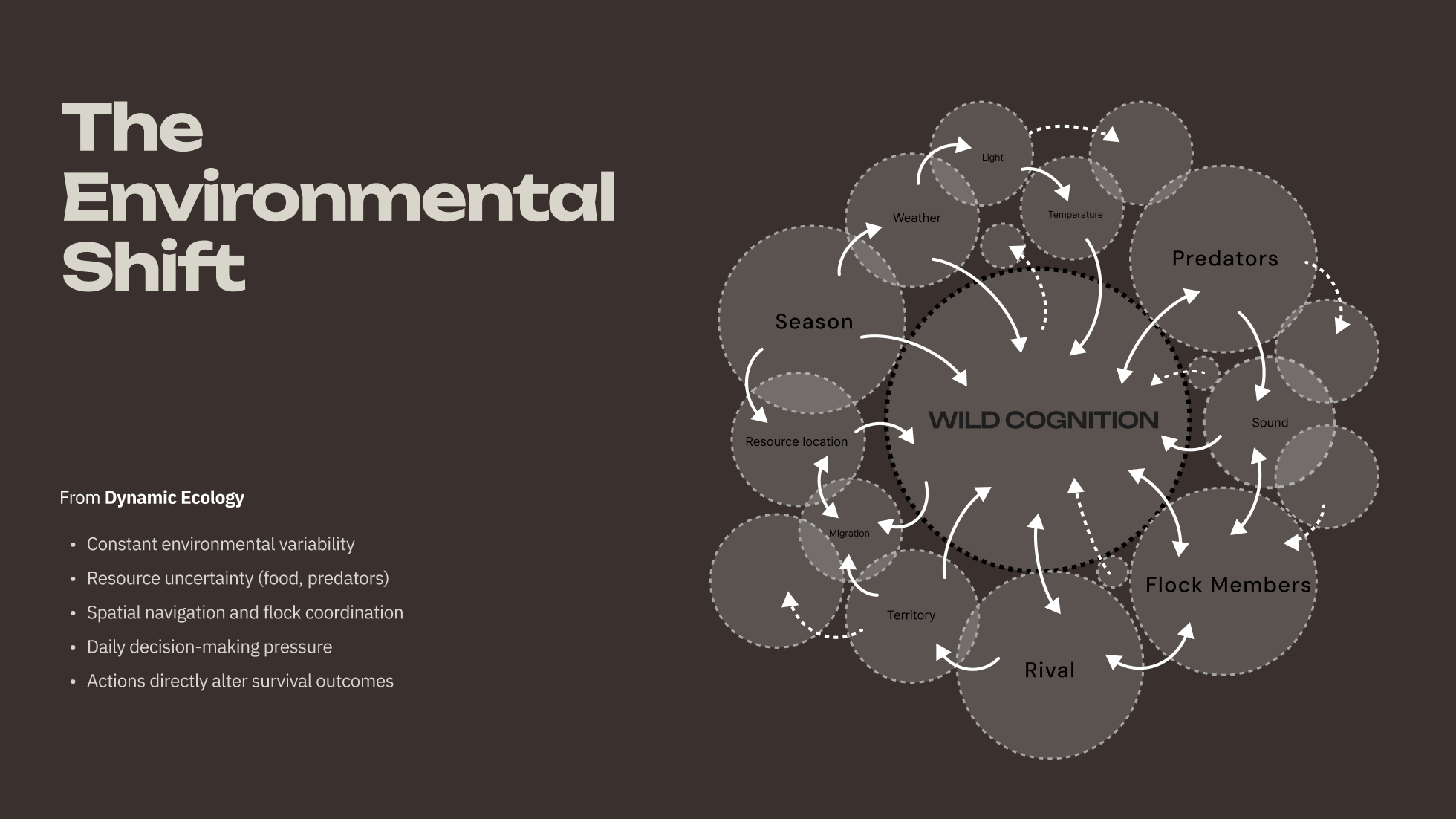
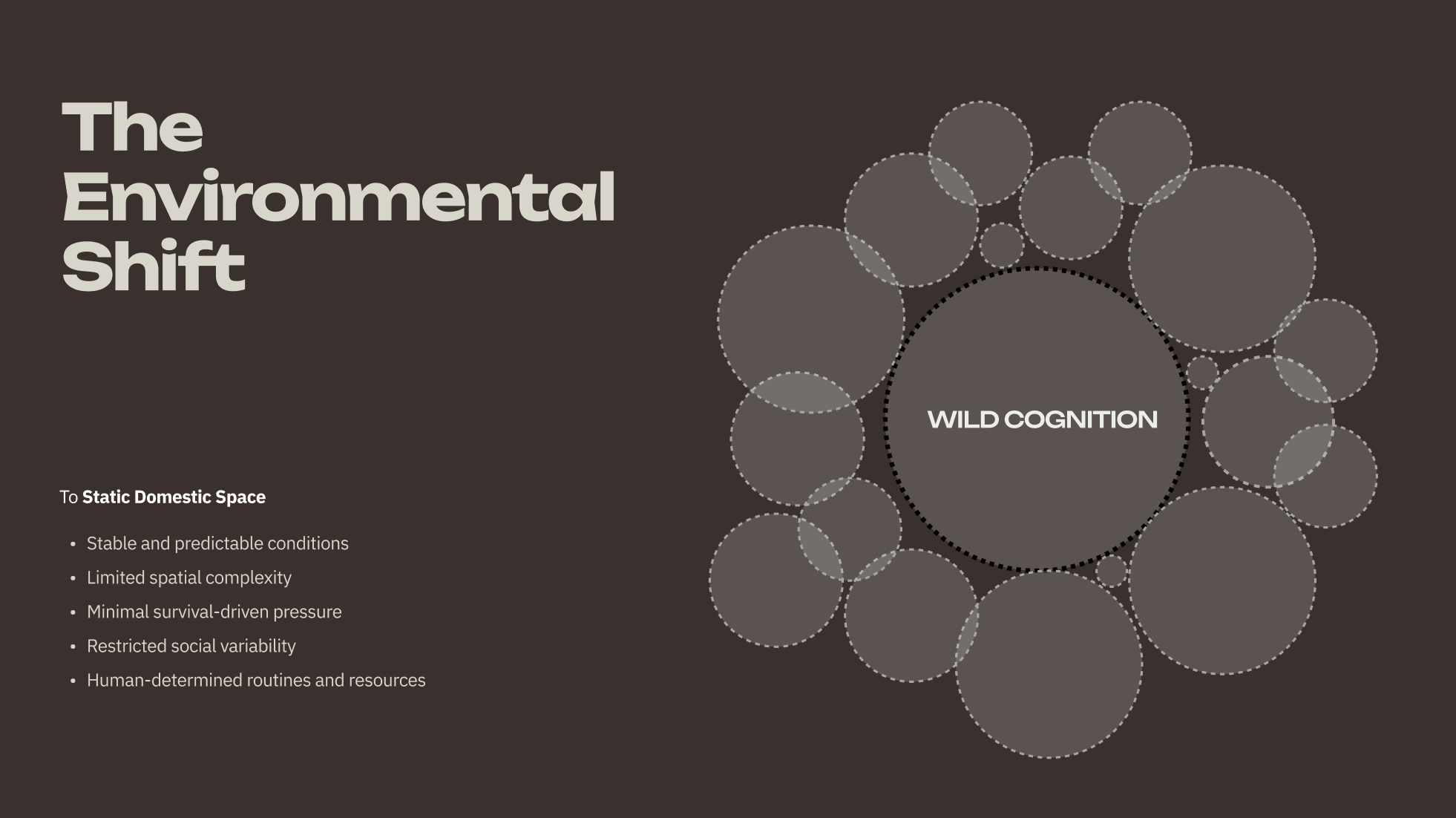
In the wild, parrots are active decision-makers whose cognition evolved within a dynamic ecosystem. But in domestic settings, their world becomes highly controlled and predictable, largely centred around human routines. When those survival uncertainties disappear, so do the opportunities to make choices. This can create a kind of Cognitive Mismatch.
Since we can never fully replicate the complexity of a wild environment in a home setting, we should not introduce predators or dangerous threats, nor simply release captive parrots into the wild.
Over time, living without any natural challenges or even negative forms of stimulation can lead to severe psychological and behavioural issues.
Design Scope: Restoring Agency
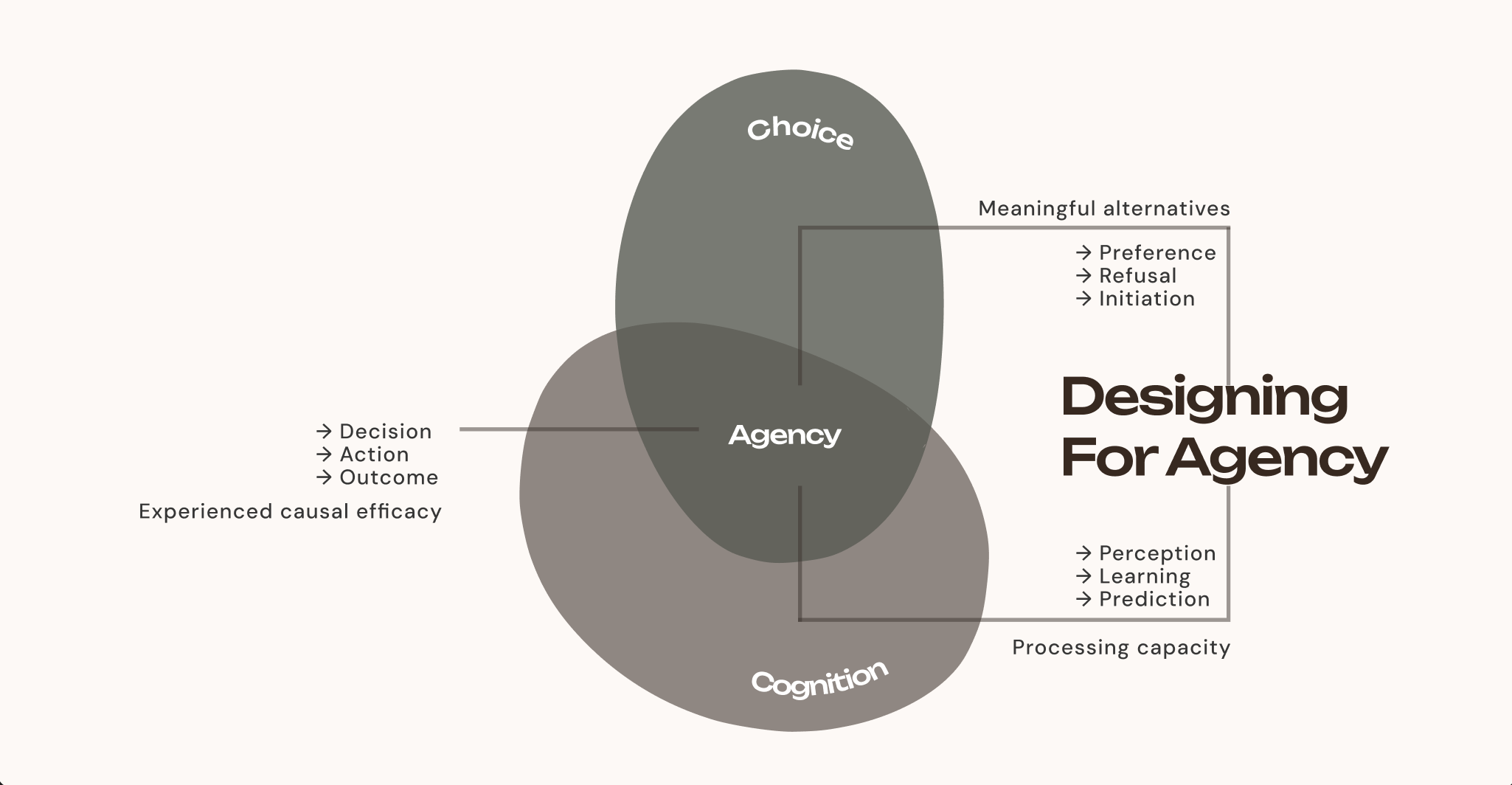
Beako explores how design and technology can offer pet parrots meaningful choices in highly controlled domestic environments, restoring their sense of agency through cognitive engagement and enabling owners to better understand their birds.
Rather than attempting to replicate the wild or optimise basic welfare metrics, the scope is strictly bounded: it explores agency through non-survival-based interactions. By introducing safe, small-scale decision-making opportunities into their daily routines, the project creates a new space for active engagement between parrots, their environment, and their owners.
Design Insight: The Music Gap
The video shows a behavior that is exceptionally rare in the animal kingdom: rhythmic synchronisation.
In the field of Animal-Computer Interaction (ACI), musicality is tied to two rare evolutionary traits: vocal learning (the ability to mimic and modify sounds) and entrainment (the ability to synchronize body movements to a musical beat).
This trait is almost exclusively found in vocal learners—the majority of which are parrots. As shown in the video, the parrot isn't just reacting randomly; it is aligning its movements with the beat. This demonstrates a highly advanced, active engagement with sound, proving their natural capacity to interact with their auditory environment.
Opportunity: Real Home Settings
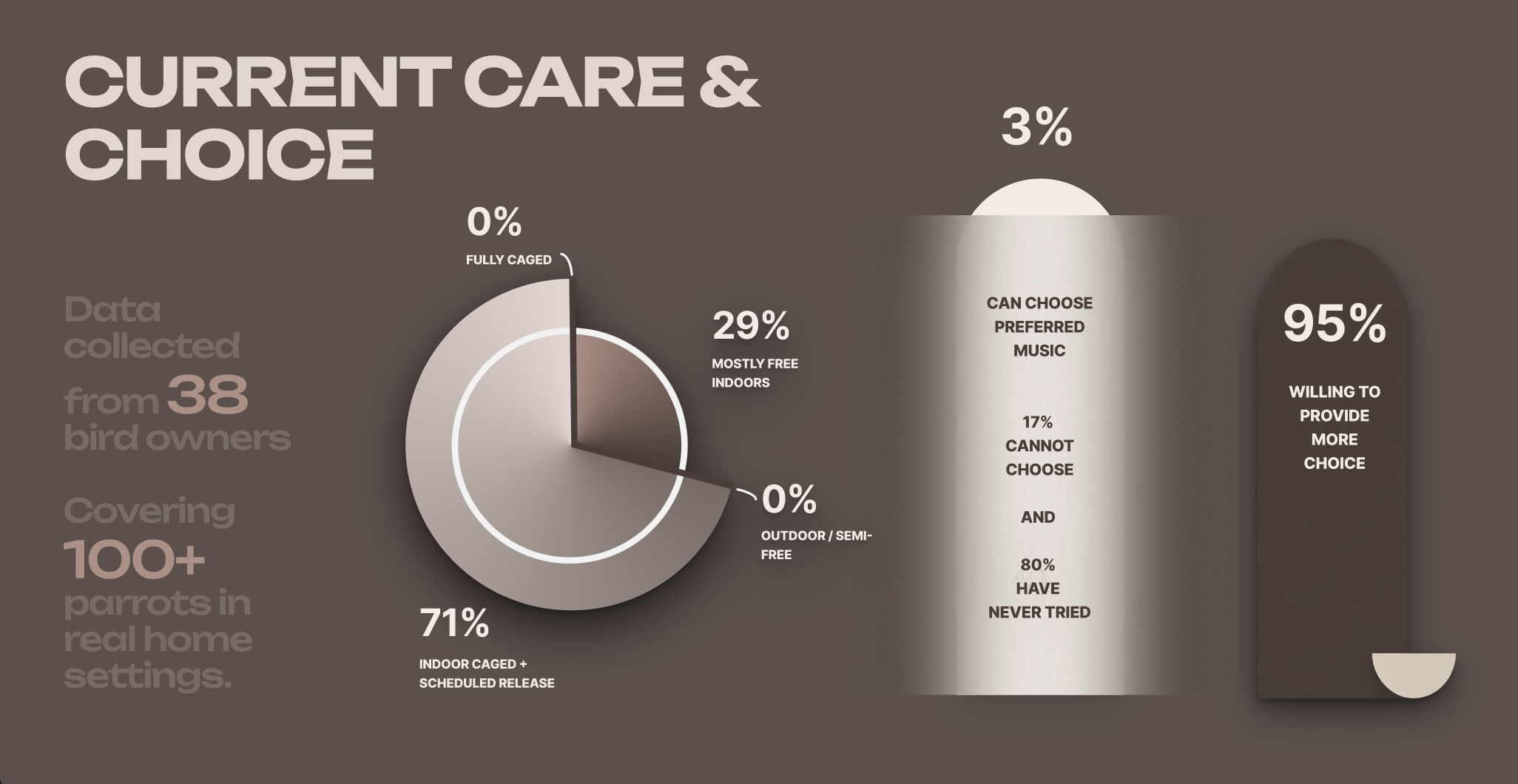
All of the 100+ surveyed parrots live in highly controlled settings with very little uncertainty. Taking music as a simple example, only 3% of owners reported that their bird could "choose" what to listen to—and even then, this choice is expressed passively through destructive behaviours like screaming. Conversely, 95% of owners are eager to offer more choice, seeing it as a way to better understand their birds.
The issue is not a lack of willingness from owners, but a total lack of interactive systems that enable animal autonomy.
Solution: Three-Layer Interaction System
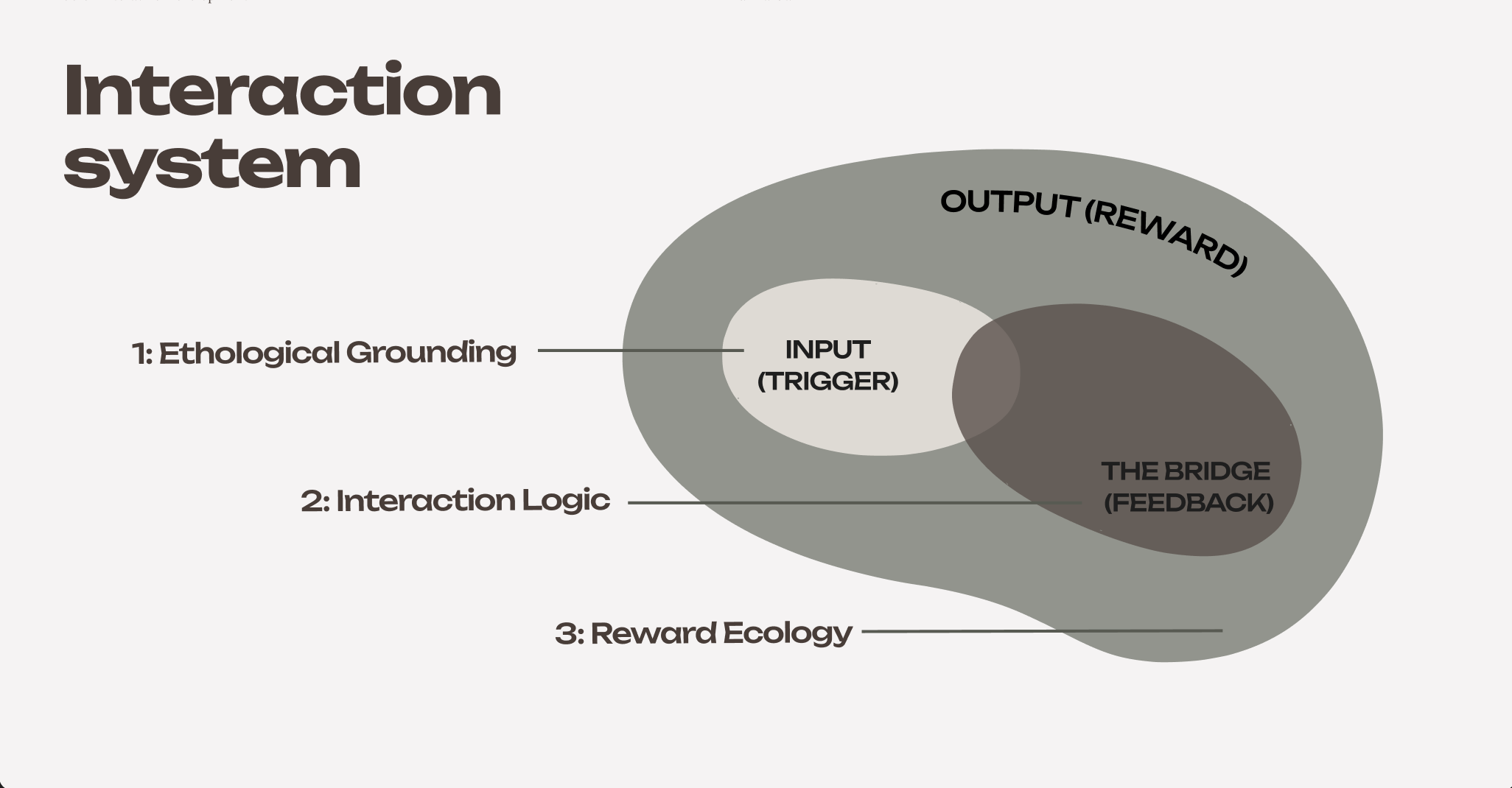
Beako introduces a dedicated interactive system structured around three main layers translating ethological insights into meaningful Animal-Computer Interaction:
1. Input (The Trigger) — Grounded in Ethology: It requires the parrot to perform a physical action to trigger a choice.
2. The Bridge (The Feedback) — Interaction Logic: It is not just a response, but a bridge that makes cause and effect legible.
3. Output (The Reward) — Reward Ecology: A meaningful consequence that motivates repeated engagement.
More Coming Soon...
Beako is continuously evolving. Physical development and real-world interactions are currently being tested. Stay tuned for more updates.